


End of life Care for Pets : An Interview with Mobile End-of-Life Vet Kaitlyn
Saying goodbye to a beloved pet is one of the hardest moments we will ever face, a moment shaped by love, grief, uncertainty, and the quiet hope that our companion feels safe and at peace until the very end.
For many families, the idea of saying farewell at home is both comforting and unfamiliar. What does it look like? How does it feel? And how do you know when the time is right?
In this conversation, we sit down with Kaitlyn, a mobile end-of-life veterinarian based in the United States, whose work centres on meeting families where they are, quite literally,, and helping pets pass gently in the place they feel most at ease. Through her stories, reflections, and deeply compassionate insights, Kaitlyn shares what makes in-home end-of-life care so meaningful, how rituals and planning can ease emotional strain, and why saying goodbye is not about giving up, but about choosing love.
This is a conversation about presence, tenderness, and the power of a peaceful farewell.

What exactly is a mobile end of life vet?
Kaitlyn: So I'm a veterinarian. I come to a family's home to help them say goodbye to their beloved cat or dog.
What led you to choose this path in veterinary work?
Kaitlyn: About 10 years ago, I got certified in veterinary acupuncture and that led me to want to go to people's homes. And once I started doing that, a lot of my patients were older and I would get the request for end of life care and home euthanasia. I found that people appreciated the service and the pets were able to pass away at home. So it really started with acupuncture.
Was there a particular moment that you realised how powerful the home care could be?
Kaitlyn: I actually get asked this question a lot. What made me want to do this service or provide the service? And it always sounds kind of odd, I think, but when my beloved Twix had to cross the Rainbow Bridge, we went and got fried chicken, went to a field, and it was so peaceful for her. Not that she didn't love going into clinics, she would go into clinics all the time with me. But just being in an environment where she was comfortable and I was comfortable, it just really made the process for her so peaceful. And so as sad as that was, I realised, oh my gosh, I want to be able to provide this to other people and other families because it was very important for me for it to be peaceful for her.
What sort of pet was Twix?
Kaitlyn: She was a good old American mutt. I think she had beagle hound in her and she was a wonderful dog. She actually was returned five times to the SPCA and before vet school I worked there at the Richmond SBCA. Actually at first I was like, oh, she looks kind of like a weird rat. But eventually I fell in love with her and she was kind of a medium-sized dog. She was a wonderful companion.

What makes in-home end of life care different from a clinical setting?
Kaitlyn: I think it differs very much for both the family, the people, as well as the pets. I do work in clinics too, doing relief work. So I kind of see both aspects of it. Not that there's anything wrong with the clinics or anything, but at home I find the pets are just so much more comfortable, particularly cats as well as the people. They're in their own environment. They could sit by their pet, they don't have to drive home and the pet can be in their own bed. Also, people can make it how they want in terms of candles, having the pet's, favorite bed toys, having family over so they can really make the experience. As sad as it is, they can make it something special at home and everybody's in their environment and comfortable.
How do the pets typically respond when they're able to be at home for their final resting place?
Kaitlyn: The majority of the time it's so much different just in terms of they're not anxious, they're not distressed. Often times the car ride can be very hard for larger dogs that are in pain and cats not having to get in the carrier. So for the pets, they just seem so much more relaxed and happy at home.
What feedback do you hear most often from pet owners about the home farewell?
Kaitlyn: I've been blown away doing this just in terms of the appreciation that I've gotten from people, just the kindness. I get emails, texts, letters, and it means so much to me that I was able to help them. But the feedback I get is just thank you so much and just so much appreciation, which means so much to me because I know it's such a hard thing to have to do. And for somebody to write a letter, send an email to me just saying thank you, you made a hard time so much easier. I know my pet was comfortable, so I've been blown away by the appreciation that I've gotten from people.
How do you think it helps ease the emotional strain for families with it being at home?
Kaitlyn: I think that it helps lessen the strain because they are comfortable and they know their pet is more comfortable at home. They know their pet is in their pet's bed or their favorite spot. Also I hear from people that they are worried about driving home. I've called Ubers for people in clinics just because I worry about them driving because they're understandably very upset. I don't think I could drive if I had to afterwards. So I think it significantly lessens the strain and provides a more peaceful process and peaceful situation for people.
Are there any practical things you're able to offer in home that perhaps wouldn't be available in a clinic?
Kaitlyn: Before I go, I send an email to families to let them know about what I call bucket list items or things to think about because I commonly get asked what do I and what do I need to do to prepare? I encourage families to think about a favorite spot or location. Oftentimes they can be outside under the pet's favorite tree. The cats can be in their kitty tower. Some dogs just love being on their bed. So just the location of having it in their favorite spot as well as a lot of people, putting on nice music and maybe light some candles. They'll spend the day looking through photo albums, sometimes even put the photo albums up. I had one family that was so sweet, the gentleman made a video and had the video playing with this beautiful music in the background and all these wonderful pictures of his dog. And I started getting so choked up. It was very nice of him to do that. And so people can just really customise it and make it really special and go grab some of the ice cream out of the freezer and give the dog some ice cream last minute if they want. So there's a lot of things that can be done that just really make it special and memorable.
And obviously these things are not available in a clinic environment or it's limited, perhaps?
Kaitlyn: It's limited. A lot of clinics now have what they call comfort rooms or rooms that have a couch or carpet. Some have a candle, like a battery operated candle and some have music. So the clinics definitely try to make it not like a steel table and hard bench type of situation, but again, being at home is much nicer. A lot of people enjoy spending the day with their pet and thinking, okay, what do I want to provide for my pet? One person even had this huge bag of toys that they collected over time and they just dumped all the toys all over the floor and the dog just went bananas about it. And so I mean, you might be able to do that in a clinic, but I'm not really sure if they would appreciate toys everywhere.

What would you say to someone who's unsure about planning ahead for their pet's goodbye?
Kaitlyn: I always tell people it is such a hard decision to make alone and that's what I'm here for. And so I do also offer tele advice, so a virtual consultation as well as an in-home quality of life consultation where I go to their home and I do an exam as well as we have a back and forth conversation, I answer questions, we discuss the pet's, quality of life, family concerns, and then I make myself available for questions. If it's okay, we're going to take it day by day, then I make myself as available as possible to help the family know is this a change? That means things are not well and maybe we should go ahead and schedule or is this something that is okay to continue to monitor? Because I feel like making that decision alone, it's so hard. I mean, they're part of your family and a lot of you don't want to do it too soon. You don't want to do it too late. So I definitely always tell people I'm here to help. I can come there, we can talk virtually and then reach out at any time with questions or concerns and I can help you make that decision.
How do you know when is the right time to start thinking about these things? Are there things that you could look for or things you should consider?
Kaitlyn: If there's a diagnosis that's been made in terms of, for example, a cat that has kidney failure or a dog that has cancer, there's certain things that either their veterinarian has let them know, okay, when the cat stops eating becomes anemic, which means the red blood cell count goes down, then that means that we're in stage. So if there's been a diagnosis, that helps because that's information that I can take in and say, okay, well when these things happen, that typically means that we're towards the end when there's not a diagnosis that's been made, but the pet is not doing their normal behaviors, not acting themself.
With cats, it's often times a change of behavior more so than vocalizing or crying out. Same thing with dogs. A lot of people think that when dogs are in pain they'll cry out, and that's true occasionally, but oftentimes they won't. There's other things. So I help educate people in terms of signs of pain, discomfort, not feeling well because it is different in cats and dogs versus humans. And then we talk about, okay, how many good days this week did your pet have in terms of good days doing normal behaviors? And the normal behaviors are certainly adjusted for older pets and how many bad days did the pet have? And once it gets to, unfortunately there's more bad days, then we start talking about, okay, well let's talk about scheduling for either me to come to the home for a consultation or schedule for an in-home euthanasia. And with that said, I always let people know too, if I arrive for the in-home euthanasia and saying goodbye is not in the pet's best interest as a veterinarian, I took oath. I have to do what's best for the pet and I will let the family know and we'll come up with a plan moving forward.
Is it common or do you see often that pet parents hold on too long to their pets and they don't because they don't like to make that decision?
Kaitlyn: It is common. It is. And I understand because it is such a hard decision, but it is common to see them holding on because either they don't necessarily know that things have gotten as bad as they are. And that's why I try to provide resources on my website and again, make myself available as much as possible or they know. But there is always that hope that things might change, that the pet might rally. And I understand that hope, but I do see that families hold on longer.
A lot of that holding on, is that anticipatory grief, what they know that they're going to be in for. What advice do you give to someone who's starting to show signs of that?
Kaitlyn: What I typically recommend is, and my advice is letting them know these are the things that are affecting your pet's quality of life. And saying goodbye is such a sad thing, they're part of your family. I have two dogs and two cats, and they're my family. They're my everything. I have my one, or actually two of my dogs are in the room now, but they're not in the video. So they're my world. I love them so much and thinking about saying goodbye to them, I can't even think about it. It's hard. But I helped one to educate people, these are the things that are affecting your pet's quality of life. And saying goodbye is a loving and compassionate decisions to say Rover, you've been a wonderful dog. I love you so much, I'm going to miss you, but I don't want you to suffer and you've been a good boy and I'm doing this because I love you. And then I let them know, the families know how peaceful it truly is to say goodbye. And again, just reiterating, I truly believe it is a very loving and compassionate decision. So I try to help one, educate, but then again, just reiterate how much of a loving decision it is to make and then provide resources for help afterwards. I think that's really important too because it is a huge loss and I want people to have that support afterwards,
Have there been any other meaningful rituals or moments during home visits that have really stood out to you?
Kaitlyn: There was one where it was set up outside and it happened to be a beautiful day and it was under a tree and people had put lights in the tree and had a little Bluetooth speaker out there and had a table with flowers and pictures on it outside, and they set a prayer afterwards and it was just, but the setup, even before I got there, it was beautiful. They did a really good job just creating a space with pictures and flowers, and there was this beautiful blanket that the lady had crocheted and laid down, and she sent that with the pet along with a charcuterie board. They made a charcuterie board board for their pet, which I thought was wonderful. So that was a very nice setup , a ritual if you will.

Do you find that the rituals and what people do are different depending on the type of pet, they're like, are dogs and cats different or are there similarities or?
Kaitlyn: Often times with cats, they're either in a bed or a cat tower or they are on the person's lap. And then with dogs, the location is varied - I've been in pretty much every room of people's homes including their bedroom, bathroom, sometimes it's just wherever the dog is, that's where I go. I don't want to move them and distress them. And then with the dogs, I bring the treats they typically eat. Oftentimes the cats, if they're a little skittish with new people, sometimes I'll even talk to the families in the other room just to go over everything and then come in and see the kitty and kind of start the process before the cat gets upset about, wondering who's this new person? Because I have one kitty. And whenever somebody comes into the house, she runs away. She's a little nervous. So it is quite different between dogs and cats.
What's been the most unusual pet that you've had to euthanise?
Kaitlyn: A turtle. With reptiles, since you have to wait 24 hours to pronounce them deceased.I have to give the injection under their armpit, and I'm sure they don't love the needle poke, but I just always feel bad because I just really love turtles and just kind of having to give it under their armpit because turtles want to go on their shell. And I hate to hold their little legs gently, it just makes me sad.
Do you think we could be doing more to honor our pet goodbyes in the way we do with humans?
Kaitlyn: I do. I was reading this interesting article not too long ago about the difference when there's been a human death versus a pet death and how that's handled differently in our society in terms of humans there's typically a memorial service and funeral arrangement, and so families help. There is a process, and please don't misunderstand, it is so hard even with the funeral, but there's support in terms of other family members come, friends come, and some people do do that with their pets, but I feel like encouraging people to do that more and then also providing options for keepsake items, ways to remember their pet is needed. I do so much research, and this is the creative part of me too, just in terms of what can I provide that other than a Clay Paul print or ink Paul print, that might help the family to remember their pets as well as what other resources are there.
Unfortunately we do have a local pet loss support group, so I always give people that information. I do think that providing more resources, more options to remember their pet will help. There is a pastor here in Richmond that does a blessing of the animals. So that may be an option for families depending on their religion - an option for them to have a service to remember their pet with the pastor. We are moving in the direction because pets are becoming more and more part of people's families.
How has the work you do shaped your views on death?
Kaitlyn: It's hard to be honest, because I think about death a lot because I am helping families say goodbye almost every day. It makes me just appreciate my pets, my family each day so much more, and not take things for advantage and just enjoy life because you just don't know. Not that I didn't think about that before, but you see so many situations where, because it's not always an older pet, it could be young. I had a very young labrador that got diagnosed with lymphoma, and it was just, he was only for, and it was just so, so sad. And I think he had his annual exam a month before everything was normal. A month later, I'm there helping the family say goodbye. So to answer your question, it just made me appreciate my pets, my family, my friends, and just really enjoy their company and be thankful that I have them every single day.
If there was one thing you wish more people understood about what you do and your work, what would that be?
Kaitlyn: I think that if they could understand or maybe just remember with loss, your brain does so many things. But I wish that people just would remember that saying goodbye in a situation where the pet's health is suffering or their suffering and not having those good days, their quality of life has decreased. I want people to remember that it is okay to allow them to pass peacefully at home with no pain, no distress, no discomfort. Because in human healthcare, we have hospice and people are on pain medications and we don't really have that for pets. And pets don't show pain, discomfort, distress like people do -so I wish people would just remember that when it's time, it is okay, and it is a compassionate and loving decision.
What would you would say to someone to do to prepare themselves or their pet for the time?
Kaitlyn: Some tips, some recommendations that I would have is spending time with their pet. If their pet is able to go for a car ride and they like car rides then go somewhere, a special place, maybe take the day and go do that. Sometimes that's not an option, and that's okay . Just sitting on the couch or wherever, being with the pet and looking through photos and memories and even writing down some special memories that they remembered by looking at pictures. Another tip I would recommend in preparation is just reaching out to family and friends and letting them know what's going on. Because oftentimes people want to be there, come by and visit. And that makes it really special too.
We have heard of humans prearranging their funerals- do you think there's a benefit in something like that for pet parents, even if it's not a formal thing, to consider that just to make the process a bit easier.
Kaitlyn: I completely agree. It is hard to think about that ahead because you don't want to think about losing your beloved pet. With that said, I think that would be helpful, and I would recommend thinking about that in advance because again, there are growing options for families when their pet passes. Here in Richmond, we have a place where people take their pets. The director comes, she picks up the pet and there is a small service as the pet is buried. There's tombstone options and plaque options that people can choose from. I think that is a wonderful, wonderful option for families.
There's in-home providers like myself that can come to the home if they can't get the dog in the car or the cats under the bed and they can't get the kitty out from under the bed. So oftentimes it's kind of a last minute search, what do I do? What do I do? And that can understandably cause them to panic in an already upsetting situation. Thinking about those things in advance when you have a clear head is crucial. Planning if you want your pet to be cremated and what kind of urns are out there? And I mean, these days there's so many different things you can do with your pet’s cremated remains , they can be made into a stone, a rock, a diamond. So there's so many things out there that you can look at beforehand, and then again, you won't look back and be like, oh, I wish I did this, or I didn't know that that was an option. So as hard as it is to think about it, about losing a beloved pet, thinking about that, talking with the family in advance, I definitely recommend that.

Was there anything in particular that drew you to the Sweet Goodbye product?
Kaitlyn: I started looking at ways that I could make the home visit easier. It is still so hard for the families, understandably. But if I can make it any easier for the families or just show that I care, that's important to me. I even purchased candles that I bring to the appointment as well. I just really want to make it special for people, customise it and be a little bit different . I put a lot of time and effort in because I do care and I do understand it is very hard and I want to do everything that I can to help make a very, very difficult time, a little bit easier if that's possible.
How does our product help in that way, do you think?
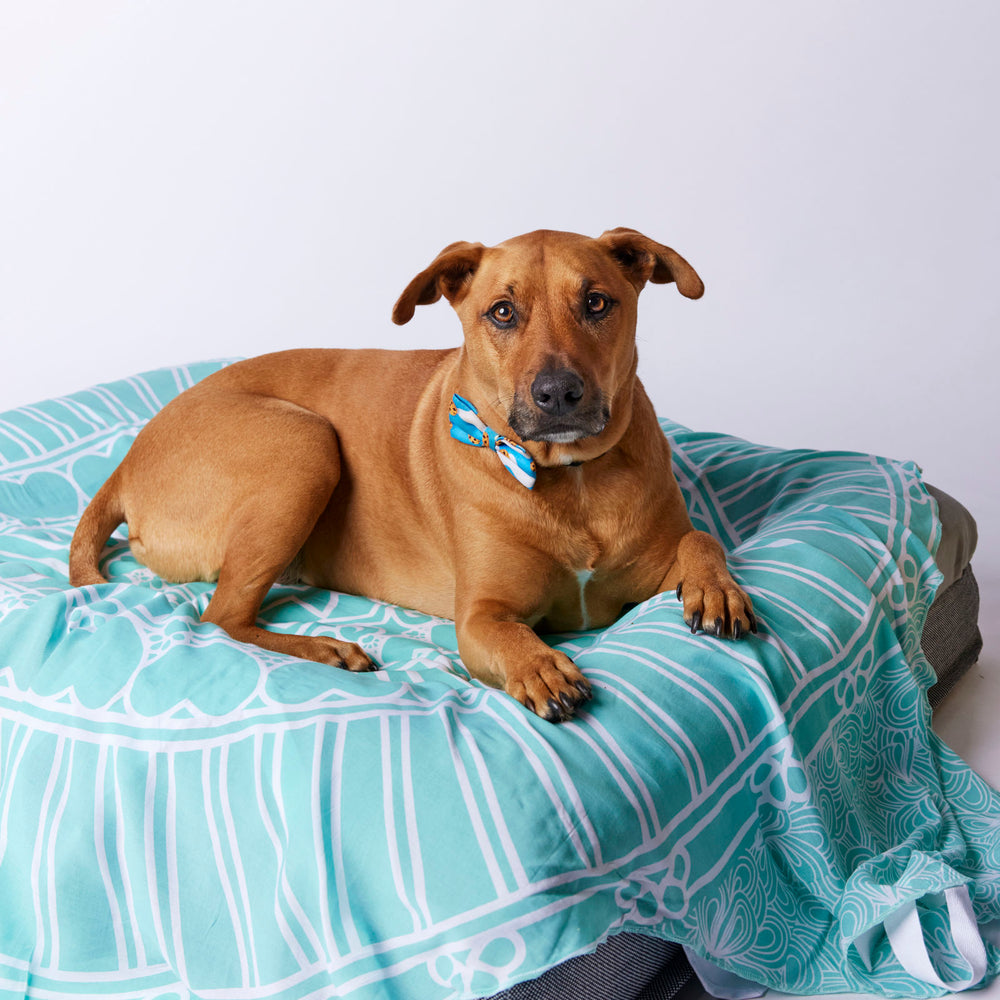
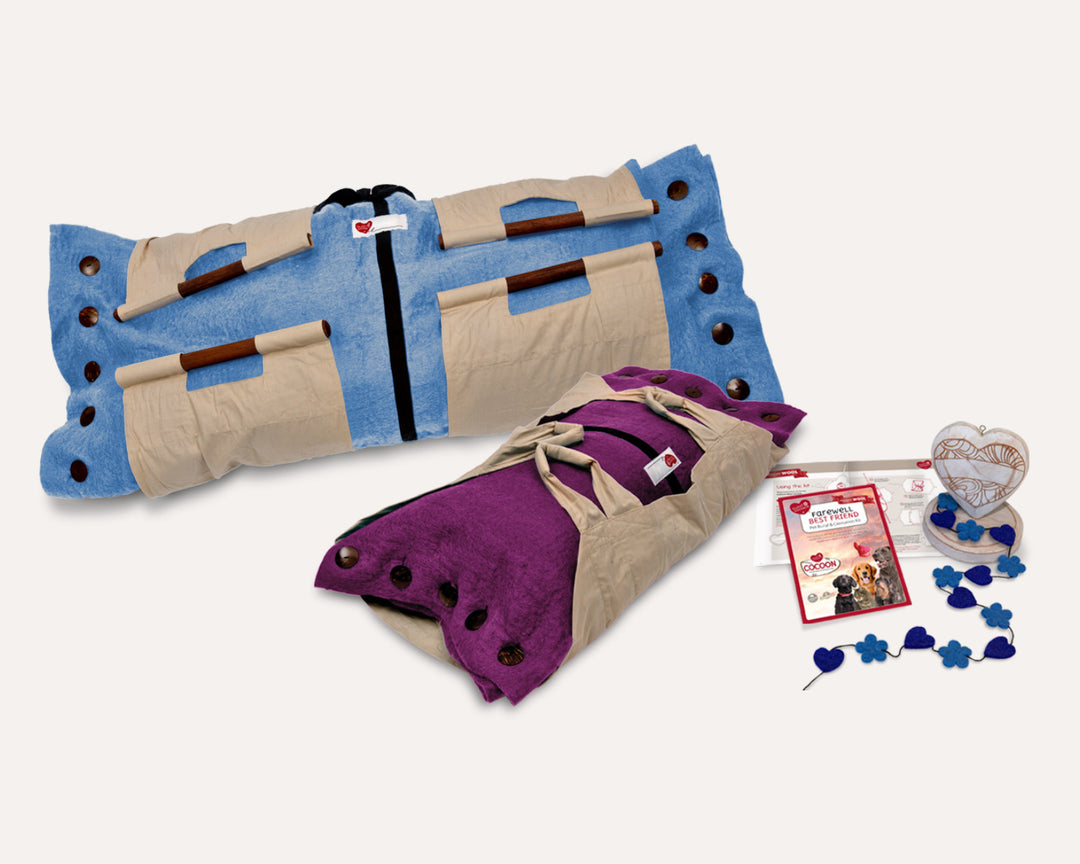
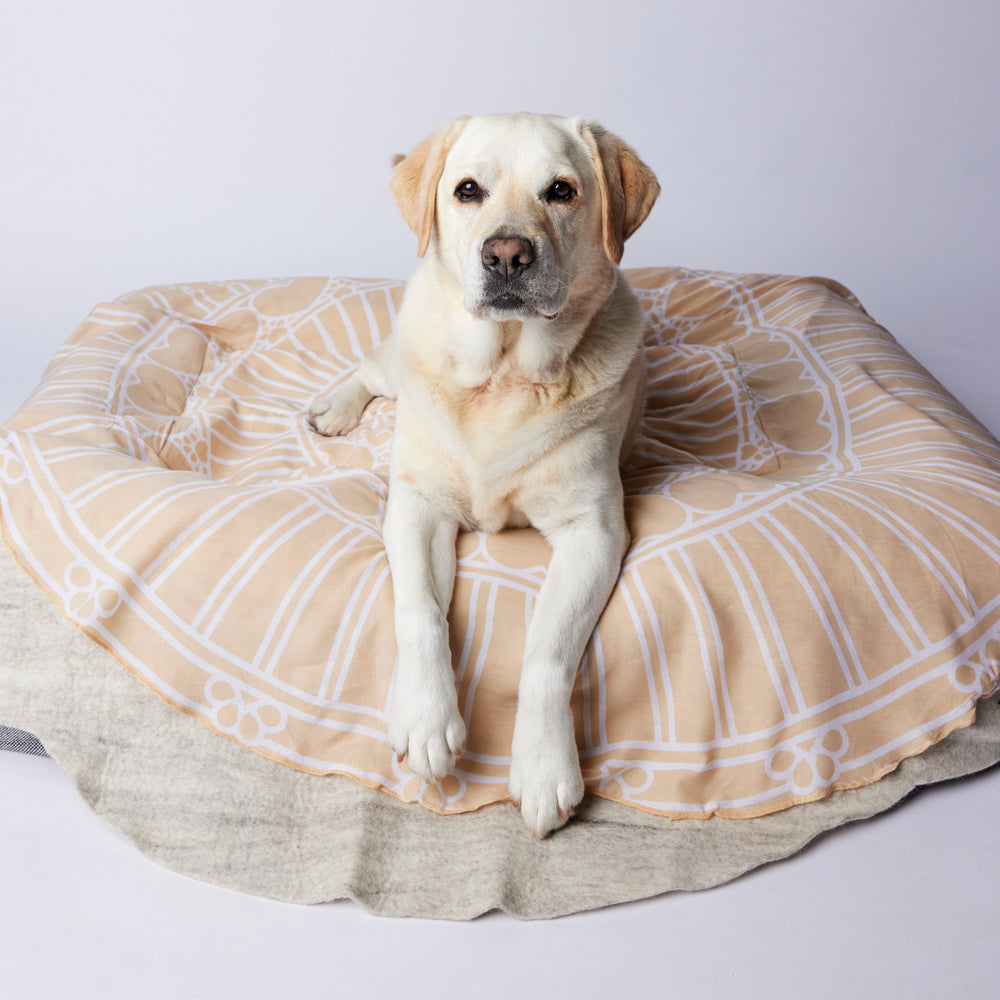
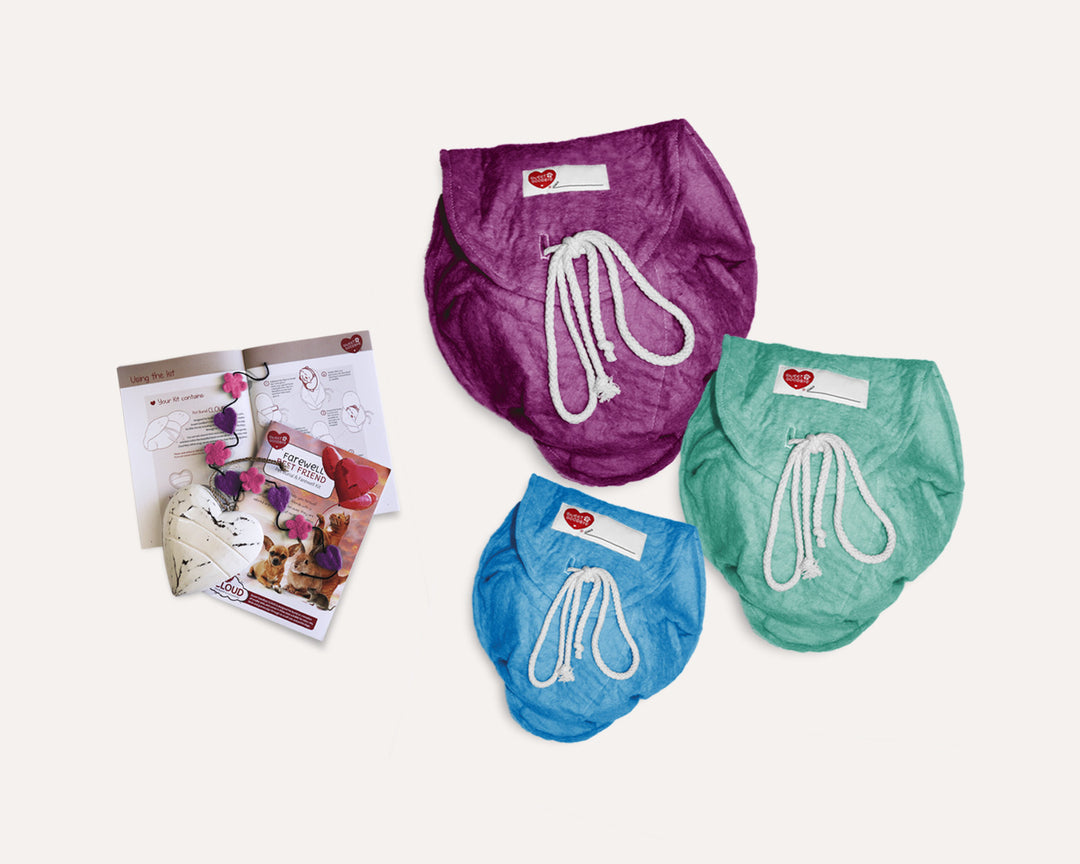
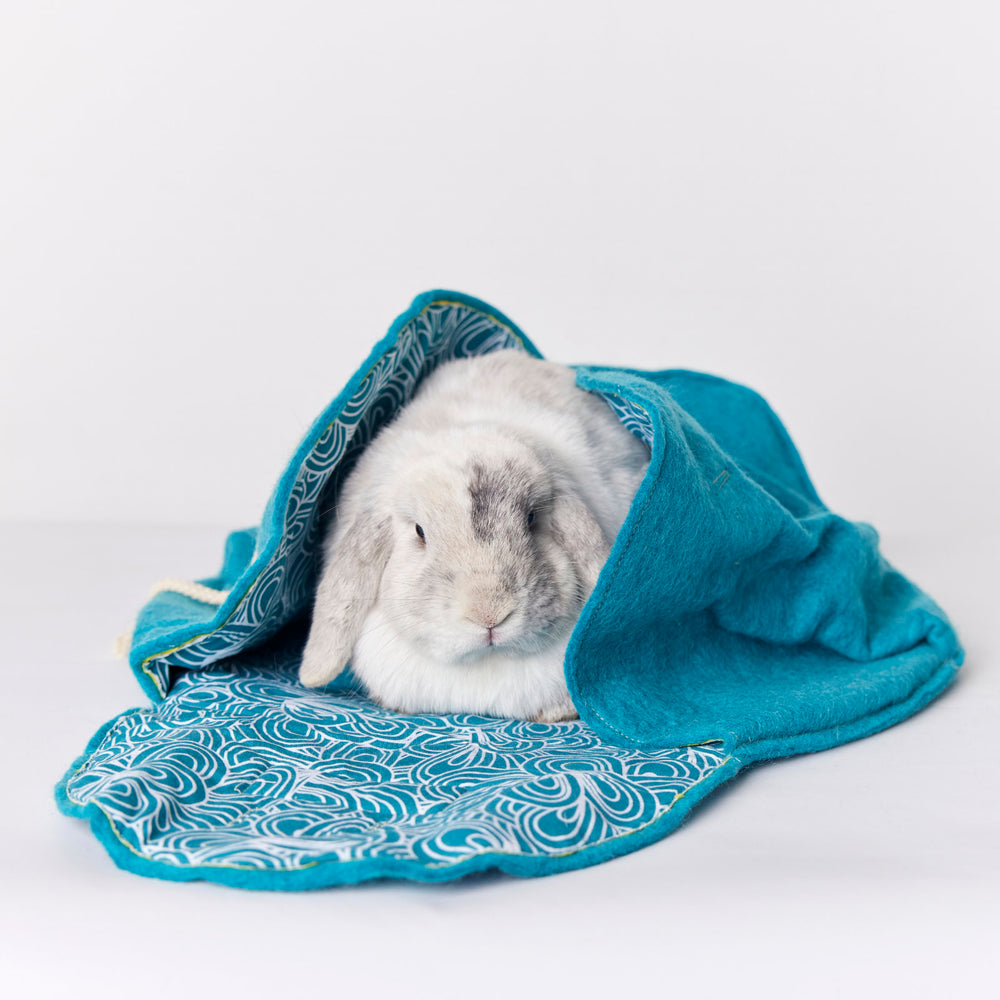
Kaitlyn: I use the Sweet Goodbye cocoon to get beloved pets in the car. When I started using the Sweet Goodbye cocoon and laying the beautiful cloth out and then wrapping their precious pet in it, it looks less clinical and it looks nicer , just like their pet is being gently swaddled and in a comfortable cloth other than a body bag.
Listening to Kaitlyn speak, one thing becomes abundantly clear: end-of-life care is not just about a moment, but about how we honour a lifetime of love.
Whether it’s a favourite blanket, a quiet corner of the garden, a final treat, or simply being held by the people who love them most, these small choices can transform goodbye into something gentle, intentional, and deeply human. As difficult as it is, planning ahead, asking for support, and creating space for rituals allows families to move through loss with a little more steadiness and a little less fear.
If there is one message Kaitlyn leaves us with, it is this: choosing a peaceful goodbye is not a failure or a betrayal, it is one of the most compassionate gifts we can give. And no one should have to navigate that choice alone.
At Sweet Goodbye, we believe in honouring these moments with care, dignity, and softness - holding space for love right until the very end.