


A Peaceful Goodbye at Home: Why Where We Say Farewell Matters
For most of our lives with them, our pets exist in the quiet rhythms of home.
They sleep in familiar corners, wait by doors, curl up beside us on couches, and follow us from room to room without needing to be asked. Home is where they feel safest. Where their bodies soften. Where they are most themselves.
So when we reach the moment we never want to reach the moment of goodbye it’s natural to ask: does it have to happen somewhere unfamiliar?
For many families, the answer is no.
In-home end-of-life care for pets is becoming an increasingly chosen path, not because it makes the loss easier, but because it makes it gentler. It allows goodbye to unfold in a space shaped by love, memory, and familiarity, rather than urgency or fear.
Mobile end-of-life veterinarians like Kaitlyn Hemsley of House Call Vet dedicate their work to this very belief: that the final moments of a pet’s life deserve as much care, thought, and compassion as every moment that came before.

The Difference Familiarity Makes
Animals experience the world through environment, scent, routine, and proximity to their people. A clinical space, even a kind and well-designed one, is still foreign. The car ride, the waiting room, the sounds, the smells, the restraint… for many pets, especially those already unwell or in pain, this can heighten distress.
At home, those layers fall away.
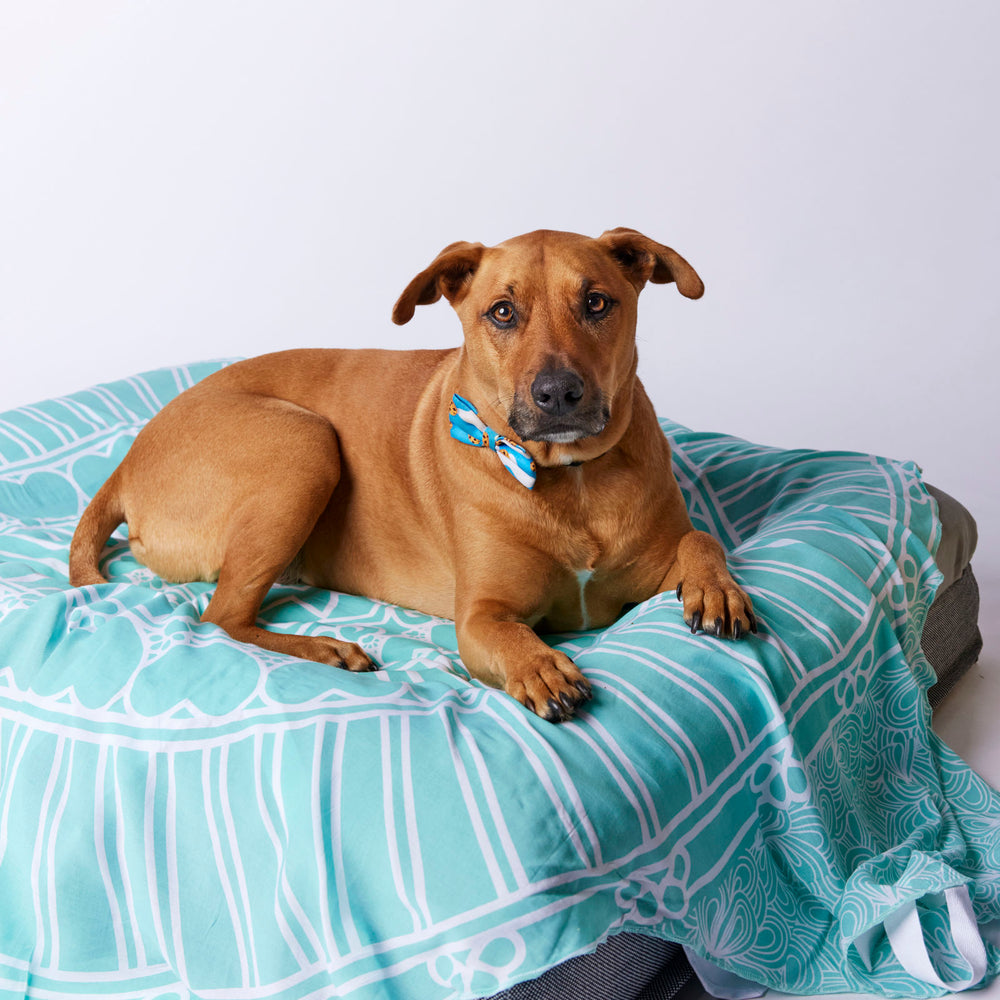
A dog can remain on their favourite bed.
A cat can stay in a sunlit window or curled on a lap.
There is no rush to leave afterward. No need to hold yourself together long enough to drive home.
The pet’s final experience is one of calm rather than confusion. And for families, that calm often becomes something they hold onto long after the grief arrives.
Goodbye as a Moment of Care - Not Crisis
One of the hardest parts of pet loss is the decision itself. Many people fear doing it “too soon,” while others fear waiting too long. Without guidance, it can feel impossibly heavy - like carrying responsibility for the timing of loss on your own shoulders.
Veterinarians who specialise in end-of-life care approach this differently. Their role is not just to perform a procedure, but to walk alongside families, helping them assess quality of life, recognise subtle signs of discomfort, and understand what their pet may be communicating through changes in behaviour.
Kaitlyn often speaks about the importance of not making this decision alone. Whether through virtual advice, in-home quality-of-life consultations, or ongoing check-ins, having a professional who understands both medicine and emotion can ease the burden of uncertainty.
Because saying goodbye isn’t about giving up.
It’s about listening.
When Quality of Life Becomes the Question
Pets rarely show pain the way humans expect them to. Dogs don’t always cry out. Cats often withdraw quietly. What changes first are the small things: eating less, moving differently, no longer seeking comfort the way they once did.
End-of-life care asks us to gently shift the question from “How much longer can we hold on?” to “How is my pet experiencing their days?”
Many families find it helpful to think in terms of good days and bad days. When bad days begin to outweigh the good, when comfort, dignity, or joy have faded, choosing a peaceful goodbye can be an act of profound love.
It is not a failure to let go.
It is an acknowledgement of the bond you share.
Creating Space for Ritual
One of the quiet gifts of a home farewell is the ability to create meaning through ritual.
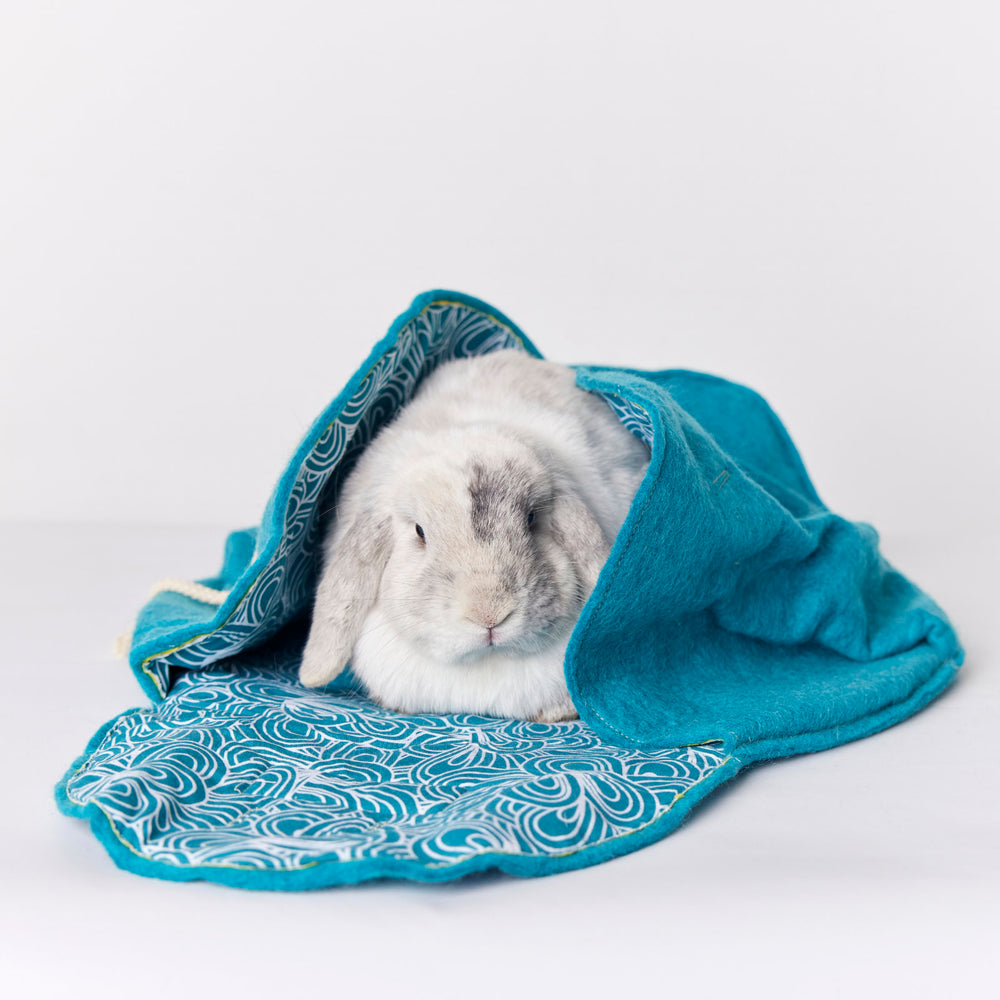
Some families light candles or play music. Others gather photographs, invite loved ones, or sit together in silence. Pets may be offered a favourite treat, wrapped in a cherished blanket, or surrounded by familiar objects.
These rituals are not about ceremony for its own sake. They are about presence, slowing down enough to honour the relationship that existed, not just the loss that follows.
In human grief, we instinctively create space for remembrance. Increasingly, families are recognising that pets deserve the same acknowledgement. The love was real. The loss is real. The goodbye should be too.

Planning Ahead as an Act of Kindness
Thinking about death before it arrives can feel uncomfortable, even disloyal. But gentle planning is not about expecting loss, it’s about protecting yourself from panic when emotions are already raw.
Knowing who to call.
Understanding your options.
Considering aftercare choices in advance.
Mobile end-of-life providers like House Call Vet exist precisely for those moments when time feels fragile and decisions feel overwhelming. When families have clarity beforehand, they are more able to stay present with their pet instead of scrambling for answers.
Planning doesn’t take away grief , but it can soften regret.
After the Goodbye
What happens after a pet dies matters, too.
The absence can feel shockingly loud. Daily routines fall apart. Grief arrives in waves that don’t always make sense to others. Support, whether through friends, family, memorial rituals, or pet loss groups, is not something to minimise or rush through.
Veterinarians who work in this space often emphasise the importance of aftercare for the people left behind, not just the pet who has passed. Grief deserves acknowledgement, resources, and time.
Because love doesn’t end when a life does.
Choosing Love, Even When It Hurts
At its heart, in-home end-of-life care is not about location. It’s about intention.
It’s about choosing comfort over convenience.
Peace over urgency.
Love over fear.
Professionals like Kaitlyn Hemsley remind us that a peaceful goodbye is not something to feel guilty for, it is something to feel proud of. It is a final act of guardianship. A promise kept.
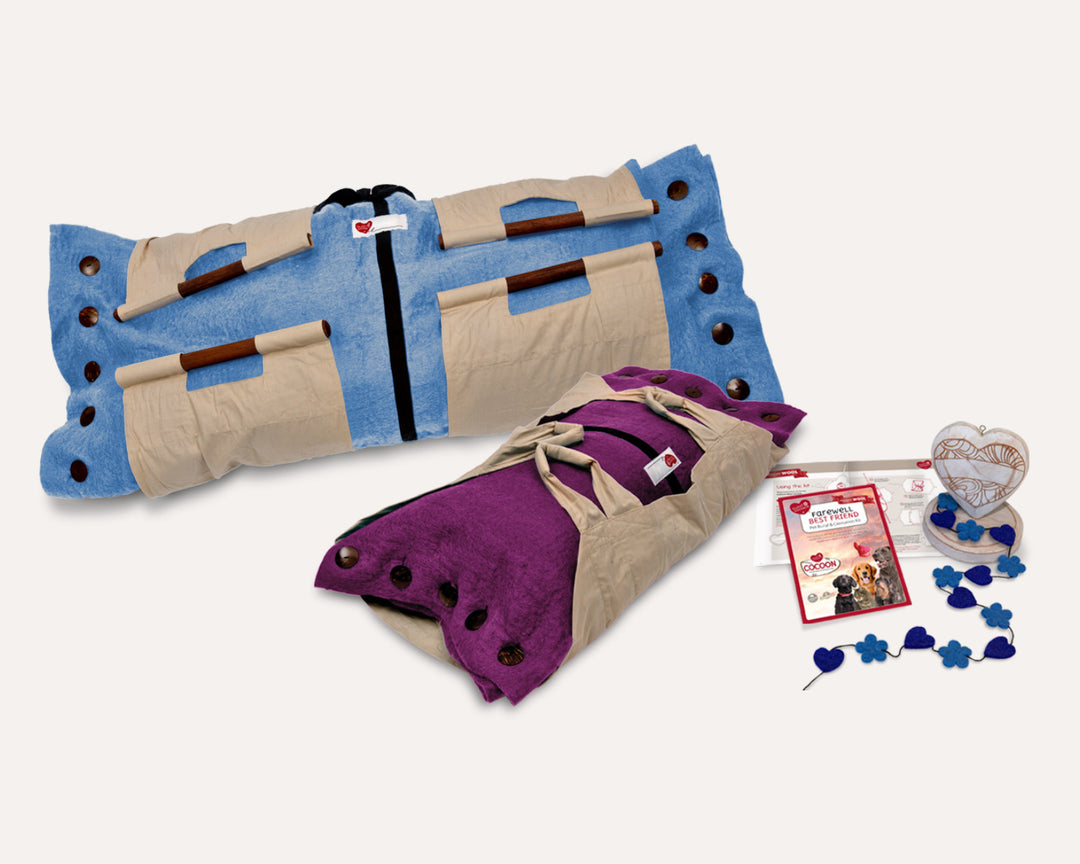
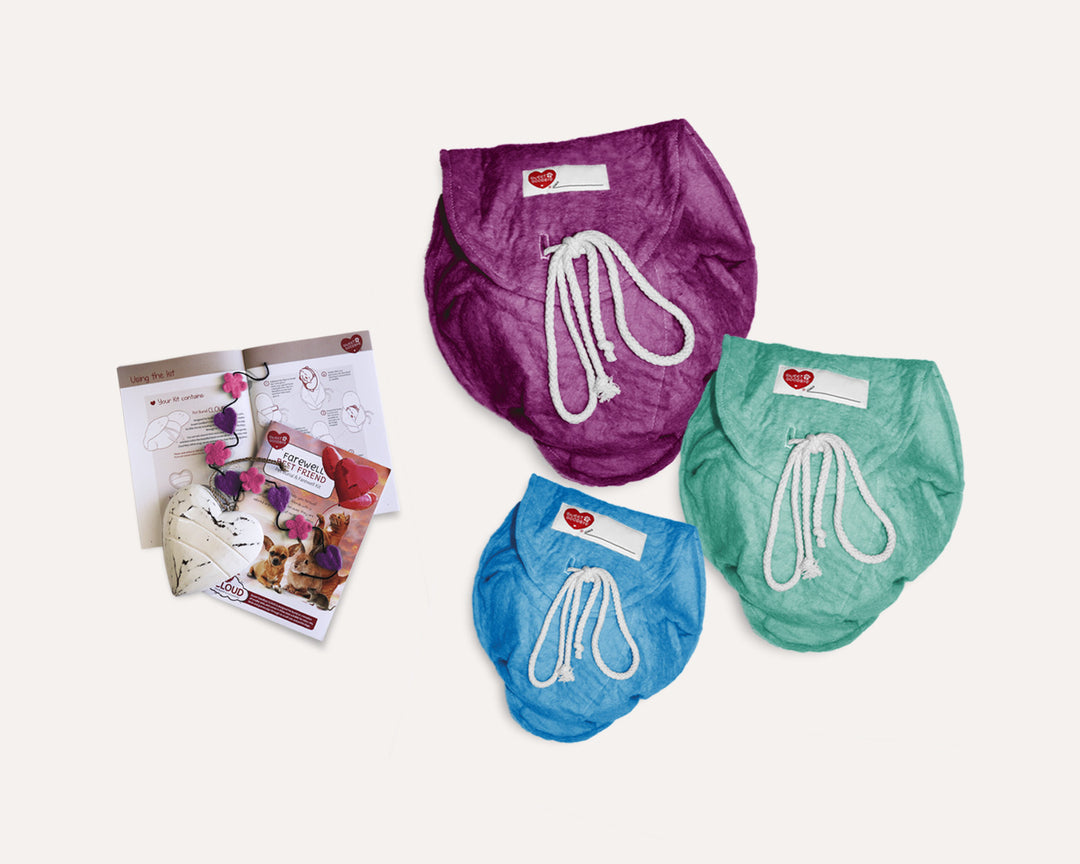
At Sweet Goodbye, we believe these moments deserve softness, dignity, and care. Whether through thoughtful planning, gentle rituals, or supportive tools that remove the clinical edge from farewell, our purpose is to hold space for love right until the very end.
Because how we say goodbye matters.
And no one, human or animal, should face it without compassion.